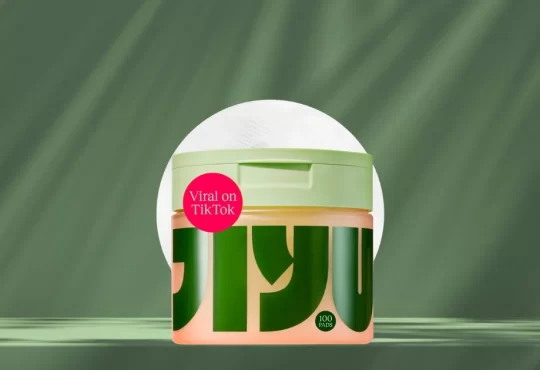


Salicylic acid cleansers have become a go-to skincare product for people dealing with stubborn acne and breakouts. These gentle yet effective cleansers work below the skin surface to help clear clogged pores and reduce oil, making them an ideal option for many skin types. As more research and reviews have come out, they are increasingly recommended by dermatologists and skincare experts looking for reliable ways to manage blemishes and prevent future flare-ups.
In this guide, everything about salicylic acid cleansers is covered in detail so readers can make better decisions about their skincare routine. This article draws from recent reviews, expert insights, and news in skincare science, so the information feels up to date and practical. Each section includes clear explanations and useful tips to show how these cleansers may help with acne and what to watch for when choosing and using them.
What Are Salicylic Acid Cleansers
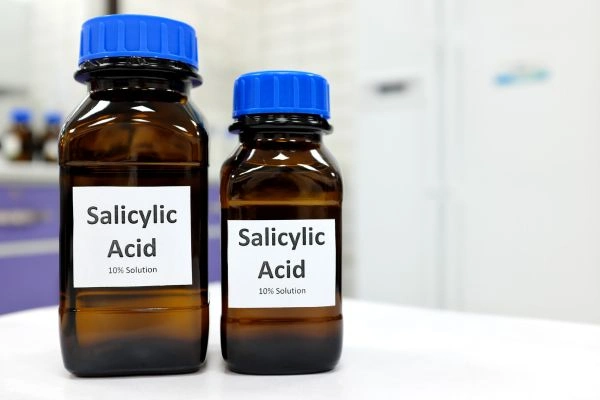
Salicylic acid cleansers are face washes that contain salicylic acid right in their formula. Salicylic acid is a type of beta-hydroxy acid, which means it can dissolve in oil and penetrate deep into pores. This ability helps lift away dead skin cells, excess oil, and grime that can lead to breakouts.
Unlike harsher products that sit only on the skin’s surface, salicylic acid works inside pores where blemishes and blackheads often start. The result is often a smoother texture, fewer congested pores, and less noticeable acne. These cleansers are usually mild enough for daily use but still strong enough to make a real difference in many people’s skincare routines.
How Salicylic Acid Works on Acne
Salicylic acid functions by loosening the “glue” that binds dead skin cells together. When this bond breaks down, dead cells are more easily washed away during cleansing. This is important because blocked pores are a major cause of acne, and keeping them clear can reduce the frequency and severity of breakouts.
The molecule also has properties that help reduce inflammation. Acne often causes redness and swelling, and salicylic acid can calm these symptoms by gently exfoliating and supporting the skin’s renewal process. Taken together, the effects on oil, dead cells, and inflammation make these cleansers a strong choice for acne-prone skin.
Benefits Of Using Salicylic Acid Cleansers
Deep Pore Cleansing
One of the biggest advantages of salicylic acid cleansers is their ability to clean deep inside pores. Traditional cleansers often remove surface oil and dirt, but they do not reach far into the follicle where buildup forms. Salicylic acid targets this trapped buildup so that pores are less likely to become clogged and turn into blackheads or whiteheads.
Regular use can visibly reduce congestion and make skin appear clearer and more refined. For many people, this leads to fewer flare-ups and a smoother complexion over time. This deep cleansing action sets salicylic acid apart from more basic face washes.
Gentle Exfoliation
Salicylic acid acts as a mild exfoliant, helping the skin naturally shed dead cells. This process speeds up the skin’s renewal cycle without the harshness of physical scrubs. Over-exfoliating with rough particles can cause irritation, especially for sensitive skin, but salicylic acid delivers a controlled, chemical exfoliation that many find easier to tolerate.
This gentle action also helps other products in a skincare routine work better. When dead cells are cleared away, moisturizers and treatments absorb more easily and perform more effectively. This makes salicylic acid cleansers a smart step in layering skincare.
Reduced Redness And Inflammation
Acne often comes with redness and swelling that can make skin look irritated and uneven. Salicylic acid’s soothing effect on inflammation helps calm these symptoms over time. While it may not eliminate redness instantly, regular use contributes to a calmer skin tone and fewer flare-ups that trigger irritation.
People with sensitive skin often report that salicylic acid feels less aggravating than stronger acids or treatments. Its balanced effectiveness makes it one of the more approachable acne-fighting ingredients for those who need consistent results without harsh reactions.
Who Should Use Salicylic Acid Cleansers
People With Acne-Prone Skin
Anyone dealing with frequent breakouts, blackheads, or clogged pores can benefit from salicylic acid cleansers. These products are especially helpful when blemishes seem stubborn or return often despite other efforts. By tackling both oil and buildup, salicylic acid supports clearer skin with ongoing use.
People with moderate acne may see the best results when using these cleansers alongside targeted treatments recommended by skincare specialists. This layered approach can help manage more persistent concerns without overwhelming the skin.
Those With Oily Or Combination Skin
Oily and combination skin types often struggle with excess sebum, which can contribute to breakouts and shine. Salicylic acid naturally helps control oil while clearing pores, making it an ideal match for these skin types. Regular use can help balance oil production so the skin feels cleaner and less greasy throughout the day.
Even people with drier zones can benefit if their primary concern is congestion. Salicylic acid cleansers are usually mild enough to avoid stripping the skin, but pairing them with a good moisturizer ensures that dryness is kept in check.
Individuals With Blackheads Or Whiteheads
Blackheads and whiteheads form when oil and dead skin collect in hair follicles. Salicylic acid’s ability to penetrate these follicles makes it effective at clearing out trapped debris. Over time, this can reduce both the number and visibility of these blemishes.
While no cleanser can remove every blackhead instantly, consistent use gradually loosens stubborn buildup so that it can be washed away. This makes salicylic acid cleansers a strong choice for targeting textured and uneven areas.
How To Choose The Right Salicylic Acid Cleanser
Check The Concentration
Salicylic acid cleansers vary in strength. Most over-the-counter options contain between 0.5 percent and 2 percent salicylic acid. Higher percentages may offer stronger exfoliation but can also be harsher for sensitive skin. Starting with a mid-range concentration helps many people find balance between effect and comfort.
Always read product labels carefully and choose a concentration suited to your skin’s needs. If irritation occurs, switching to a gentler option or using the cleanser less often may help.
Look For Supportive Ingredients
A good Salicylic Acid Cleanser may also include calming or hydrating ingredients like glycerin, aloe vera, or ceramides. These components help support the skin’s barrier and reduce the chance of dryness or irritation. A formula that combines exfoliation with gentle care makes it easier to maintain a consistent skincare routine.
Avoid products with strong fragrances or drying alcohols that can aggravate sensitive skin. Mild formulas often provide a more gentle experience and still deliver the benefits of salicylic acid.
Consider Skin Type
Different skin types call for different formulations. People with dry or sensitive skin might find creamy, lotion-based salicylic acid cleansers easier to tolerate. Those with oily or thicker skin may prefer gel cleansers that feel lighter and rinse off cleanly.
Understanding your skin’s needs helps in selecting a product that works well without causing unnecessary dryness or tightness. Some brands also list the ideal skin types on their packaging, which can serve as a helpful guide.
How To Use Salicylic Acid Cleansers Correctly
Start Slowly
When first trying a salicylic acid cleanser, it helps to begin with use once a day rather than multiple times. This allows the skin to adjust and helps identify whether any sensitivity occurs. Over time, most people can move to a morning and evening routine if their skin tolerates it well.
If dryness or irritation begins, cutting back to every other day may help maintain comfort while still seeing benefits. Adjusting how often the cleanser is used can make a big difference in effectiveness and overall skin health.
Massage Gently
When applying the cleanser, use light pressure and gentle circular motions. Avoid scrubbing vigorously, as that can aggravate the skin and undo the calming benefits of the salicylic acid. A soft, thoughtful application helps the cleanser work deeply without causing unnecessary stress.
Let the cleanser sit on the skin for about 30 seconds before rinsing. This gives the salicylic acid time to work on pore buildup without overstaying its welcome.
Follow With Moisturizer
After rinsing off a salicylic acid cleanser, applying a moisturizer helps lock in hydration. This step is important because any exfoliant can make skin feel dry or tight if hydration is not replaced. Choosing a non-comedogenic moisturizer ensures pores stay clear while the skin stays balanced.
Incorporating SPF in the morning routine is also critical. Exfoliation can make the skin more sensitive to sunlight, so protection helps prevent extra irritation or damage.
Common Myths About Salicylic Acid Cleansers
Myth: They Completely Remove Acne Overnight
While salicylic acid cleansers can make a visible difference, they do not wipe away acne instantly. Acne is a cycle influenced by hormones, oil production, and genetics. Consistent use over weeks is usually needed to see clear, lasting improvements.
Understanding this helps set realistic expectations and encourages a steady skincare routine rather than looking for quick fixes.
Myth: They Are Only For Teens
Acne is often associated with adolescence, but breakouts can happen at any age. Adults with hormonal shifts, stress, or other triggers may still benefit from salicylic acid’s pore-clearing action. Many adults find these cleansers helpful when acne persists beyond the teenage years.
These products serve a wide range of age groups and skin concerns, showing that acne care is not limited to any single stage of life.
Myth: More Is Better
Using more product or applying it more often does not always improve results. Overuse can strip the skin’s natural oils and lead to dryness or irritation. Following recommended usage and pairing with supportive products yields better long-term outcomes than heavy application.
Understanding the balance between treatment and care helps maintain healthy skin without unnecessary stress.
Potential Side Effects And Precautions
Even though salicylic acid cleansers tend to be gentler than many harsh acne treatments, some people may still experience dryness, redness, or mild irritation. This is usually temporary and can be managed by reducing frequency or switching to a gentler formula. Monitoring your skin’s reaction helps adjust a routine for optimal comfort.
People with very sensitive skin should approach strong exfoliants carefully. Patch testing on a small area before full-face use helps identify any negative reactions early. If redness persists or discomfort continues, stopping use and consulting a skin professional may be necessary.
Complementary Skincare Tips
Maintaining clear skin involves more than just choosing the right cleanser. Consistent habits, like avoiding heavy makeup that clogs pores and gently exfoliating with non-abrasive products, support overall skin health. A balanced diet and plenty of water also help the skin function well and recover from breakouts faster.
Other treatments, like benzoyl peroxide or retinoids, may work well in combination with salicylic acid but should be introduced carefully. Pairing products incorrectly can lead to irritation, so spacing them out or working with a dermatologist ensures a sensible approach.
When To Seek A Professional
If acne does not improve after a consistent routine with a Salicylic Acid Cleanser and good skincare habits, it may be time to talk to a skin specialist. Professionals can assess whether stronger treatments or prescription products are appropriate. Persistent acne can sometimes signal deeper hormonal or skin health issues that benefit from expert evaluation.
Experts also offer guidance on layering products to reduce irritation and speed up results. Their insights help tailor routines to individual skin types, which often leads to better outcomes than guessing based on general advice.
Why Salicylic Acid Cleansers Are Key To Clearer Skin
Salicylic acid cleansers provide a strong foundation for anyone dealing with acne or clogged pores. When chosen and used wisely, they help clear congestion, calm inflammation, and improve overall skin texture. By understanding how they work and pairing them with supportive skincare habits, clearer skin becomes more achievable.
This article aimed to offer clear, practical information that helps readers make informed decisions. Acne can be frustrating, but solutions like salicylic acid give many people a manageable and effective way forward with their skincare journey.