

Retinol has become one of the most talked‑about skincare ingredients for improving skin tone, texture, and signs of aging. For anyone exploring advanced skincare, knowing which best retinol serum options are worth trying can make all the difference. In recent reviews and expert roundups this year, dermatologists and beauty editors have shared updated picks that work for a range of skin concerns and budgets. This article explores everything from beginner‑friendly serums to more potent treatments that target wrinkles and uneven texture so that you can choose smartly for your own routine.
Retinol serums have earned a reputation as the ingredient that delivers noticeable results when used correctly. These serums help increase cell turnover, reduce the appearance of fine lines, and smooth out uneven tone and texture. But because retinol can also irritate if introduced too quickly, choosing the right product and using it with care is key. Below, discover recommendations from top dermatologists, a balanced approach to picking formulas for your skin type, and detailed tips for using retinol serums safely and effectively.
What Is A Retinol Serum And Why Does It Matter
Retinol serums are lightweight treatments formulated with vitamin A derivatives that support skin renewal. When applied to the skin, retinol helps to boost collagen production and speeds up the natural process of cell turnover. This process gradually reveals fresher, smoother skin and can reduce the signs of aging, acne scarring, and sun damage.
Retinol belongs to a broader class of ingredients called retinoids, which include prescription‑strength formulas and milder over‑the‑counter options. Serums tend to be more potent than creams but lighter in texture, making them a popular choice for both new and experienced users. The best retinol serums combine active vitamin A with soothing or hydrating ingredients such as hyaluronic acid, niacinamide, or peptides to make them gentler on the skin while still delivering results.
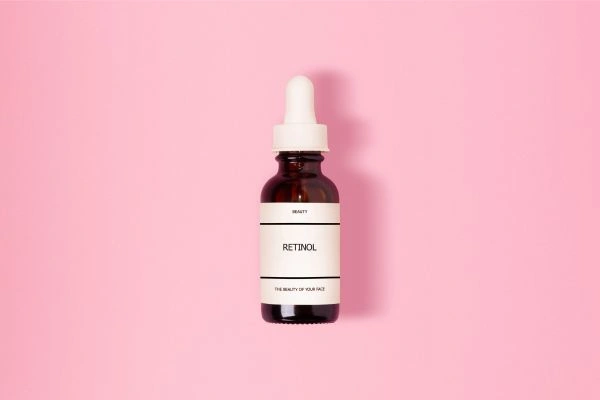
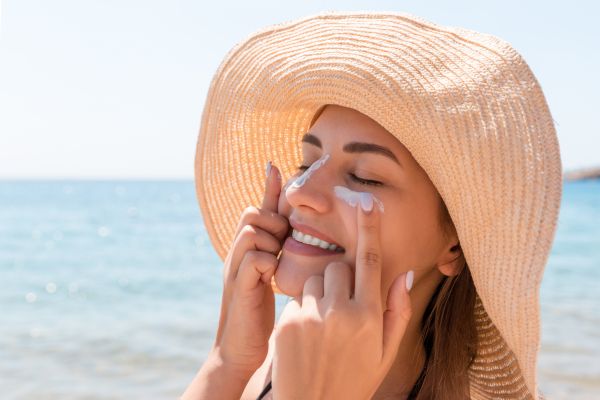
Using retinol correctly is also important because it can make skin more sensitive to sunlight. For this reason, dermatologists recommend applying retinol serums at night and always wearing sunscreen during the day to help protect the skin and maximize benefits.
Best Retinol Serums: What to Know Before You Buy
Retinol serum benefits:
- Boosts cell turnover to refine texture and reduce fine lines
- Helps fade dark spots and discoloration
- Enhances collagen production for firmer skin
- Improves acne and breakouts with consistent use
The effectiveness of a retinol serum depends on its formula, concentration, and how well it matches your skin type. Higher concentrations do not always mean better results, especially for sensitive or dry skin. Starting with a lower percentage and building tolerance over time can lead to stronger results with fewer side effects.
Another key factor is what the retinol is paired with. Hydrating serums with ceramides, peptides, or hyaluronic acid help support the skin barrier and reduce irritation. If irritation or dryness appears, applying a gentle moisturizer before and after retinol can help improve comfort.
One common question is how often to use a retinol serum. Many dermatologists advise starting two to three nights per week and gradually increasing to nightly use as the skin adjusts. Applying retinol consistently at night, paired with broad‑spectrum sunscreen during the day, gives the best balance between results and tolerance.
How to Choose the Best Retinol Serum for You
Choosing the best retinol serum depends on your skin concerns, sensitivity level, and experience with retinol. Here are some core guidelines to help you pick wisely:
Match the Concentration to Your Experience
- Very low concentration (≈0.01–0.03%) is ideal for people with sensitive or retinol‑naive skin.
- Moderate strength (≈0.1–0.5%) is suitable for most people aiming to tackle fine lines, pigmentation, and texture.
- Advanced strength (≈0.5–1.0% and above) is for experienced retinol users seeking stronger results, but may increase dryness if not paired with hydration.
Consider Your Skin Type
- Dry or sensitive skin: Look for formulas with added hydrating agents like hyaluronic acid or ceramides to soften irritation.
- Oily or acne‑prone skin: Lightweight serums with retinol can help refine pores and reduce breakouts.
- Uneven tone or sun damage: Serums blending retinol with brightening ingredients like niacinamide may offer more comprehensive results.
Start Slow and Build Up
Introducing retinol gradually helps the skin adjust while limiting dryness and irritation. Some dermatologists advise starting every other night or mixing a small amount with a moisturizer to ease skin into it. Over time, increase frequency as tolerated.

8 Best Retinol Serum Picks Across Different Needs
Here are some of the top retinol serums recommended by dermatologists and editors based on performance, value, and skin‑type versatility:
Best Overall Retinol Serums
These products are widely praised for delivering results on texture, aging signs, and breakouts:
1. CeraVe Resurfacing Retinol Serum – A standout budget-friendly formula that pairs retinol with ceramides and niacinamide to support skin balance and reduce irritation. Many users notice smoother texture and fewer dark marks with consistent use. The lightweight texture absorbs quickly, making it easy to layer with other skincare products without feeling heavy. It is often recommended for those dealing with post-acne marks since it helps improve overall tone while keeping the skin barrier healthy.
2. La Roche-Posay Pure Retinol Face Serum – Stronger anti-aging performance with soothing thermal water and exfoliating acid to refine texture and reduce fine lines. This formula is frequently highlighted in reviews for delivering visible smoothing effects without feeling overly harsh when used correctly. Its fluid consistency spreads easily across the skin, allowing even application with just a small amount. Many users also appreciate how it targets both early signs of aging and uneven texture in one step.
3. The Ordinary Retinol 1% in Squalane – A straightforward, affordable option with a lightweight texture that works well for first-time users or those on a budget. The addition of squalane helps reduce dryness, making it more comfortable compared to traditional retinol oils. It is often chosen by those who want a simple formula without extra additives or fragrance. With regular use, it can help improve skin clarity and smoothness while remaining accessible in price.
4. Shani Darden Retinol Reform Anti-Aging Serum – A premium editor favorite known for visible results on fine lines and uneven tone, often recommended for its creamy, hydrating feel. The formula combines retinol with lactic acid, which helps gently exfoliate and refine skin texture. Many users report a noticeable glow after consistent use, along with improved firmness. Its silky consistency makes it feel more like a treatment than a typical serum, adding a touch of luxury to nighttime routines.
Best Retinol Serums For Sensitive Skin
Some serums are formulated specifically to reduce irritation while still offering anti-aging benefits:
5. Wildfleur Pure Retinol 0.3% + Bakuchiol Renewing Serum – A gentler option combining lower retinol with plant-based bakuchiol for sensitive skin comfort. This pairing helps deliver similar smoothing benefits while reducing the likelihood of redness and dryness. The formula is often described as calming, making it a suitable choice for those who struggle with traditional retinol products. Over time, it helps improve skin texture without overwhelming delicate skin types.
6. Innisfree Retinol Serum – Known for a mild formulation suitable for those easing into retinol use. It is often praised for its lightweight feel and balanced formula that does not leave the skin tight or irritated. The addition of hydrating ingredients supports the skin barrier, which is especially important for sensitive users. Many reviews highlight its ability to deliver gradual improvements in tone and smoothness with minimal discomfort.
These options are ideal for people who find higher-strength formulations too harsh or experience dryness easily.
Best Retinol Serums For Beginners
For those starting with retinol or cautious about irritation, beginner-friendly options help ease skin into the ingredient:
7. Kiehl’s Micro-Dose Anti-Aging Retinol Serum – A lower-strength formula designed to deliver the benefits of retinol with minimal irritation. It uses a controlled-release approach, allowing the skin to adapt more comfortably over time. The creamy texture adds a layer of hydration, which helps prevent dryness during the adjustment phase. Many users find it reliable for building a consistent routine without the typical side effects associated with stronger formulas.
8. Anua Retinol Serum – Often recommended in community reviews for smoothing fine lines without intense dryness. The formula focuses on gentle performance, making it a good entry point for those new to retinol. It blends easily into the skin and pairs well with hydrating products, helping maintain balance. With regular use, it can improve overall texture while keeping the skin calm and comfortable.
Experts stress that beginners should start by using these serums a few times per week and gradually increase frequency based on skin response.
Beginner’s Guide to the Best Retinol Serum
Starting with retinol can be daunting, especially if you have sensitive skin or have never used active ingredients before. Follow these simple steps to introduce a retinol serum without overwhelming your skin:
1. Patch Test First
Always do a patch test on a small area before applying a new retinol serum to your entire face. Wait 24 hours to observe if any irritation or redness develops.
2. Start Slowly
Apply a pea‑sized amount two to three nights per week, rather than nightly at first. This gives your skin time to adjust as cell turnover increases.
3. Follow With Moisturizer
After applying retinol at night, follow with a gentle, hydrating moisturizer to support the skin barrier and reduce dryness or flaking.
4. Always Use Sunscreen
Retinol makes the skin more sensitive to sun exposure, so applying broad‑spectrum sunscreen every morning is essential to protect results and prevent further damage.
Common Retinol Serum Side Effects And How To Manage Them
Retinol is powerful, and while many people see visible improvements, it can also cause irritation, dryness, and peeling if introduced too aggressively. Typical reactions include redness, flakiness, or sensitivity when first starting out.
To manage these effects, dermatologists recommend:
- Cutting back frequency if severe irritation occurs
- Applying retinol after moisturizer to buffer its strength
- Using moisturizing, soothing ingredients like ceramides, glycerin, or hyaluronic acid
- Avoiding harsh acids or exfoliants on the same nights to prevent over‑exfoliation
Understanding these potential side effects and how to work with them helps make the journey with retinol safer and more effective in the long run.
Final Thoughts On Choosing And Using The Best Retinol Serum
The best retinol serum for each person depends on skin type, goals, and experience with active ingredients. A serum that works well for one person might be too strong or too mild for another. The key is to match concentration, formulation, and ingredients to your own needs and to introduce retinol gradually while supporting the skin with hydration and sun protection.
Dermatologists and beauty editors continue to recommend retinol serums as essential tools for improving skin tone, texture, and aging signs when used properly. By understanding how to choose and use these products safely, anyone can benefit from their powerful effects without unnecessary irritation or setbacks. Whether starting with a gentle, budget‑friendly option or moving toward more potent formulas over time, retinol serums remain one of the most effective additions to a modern skincare routine.